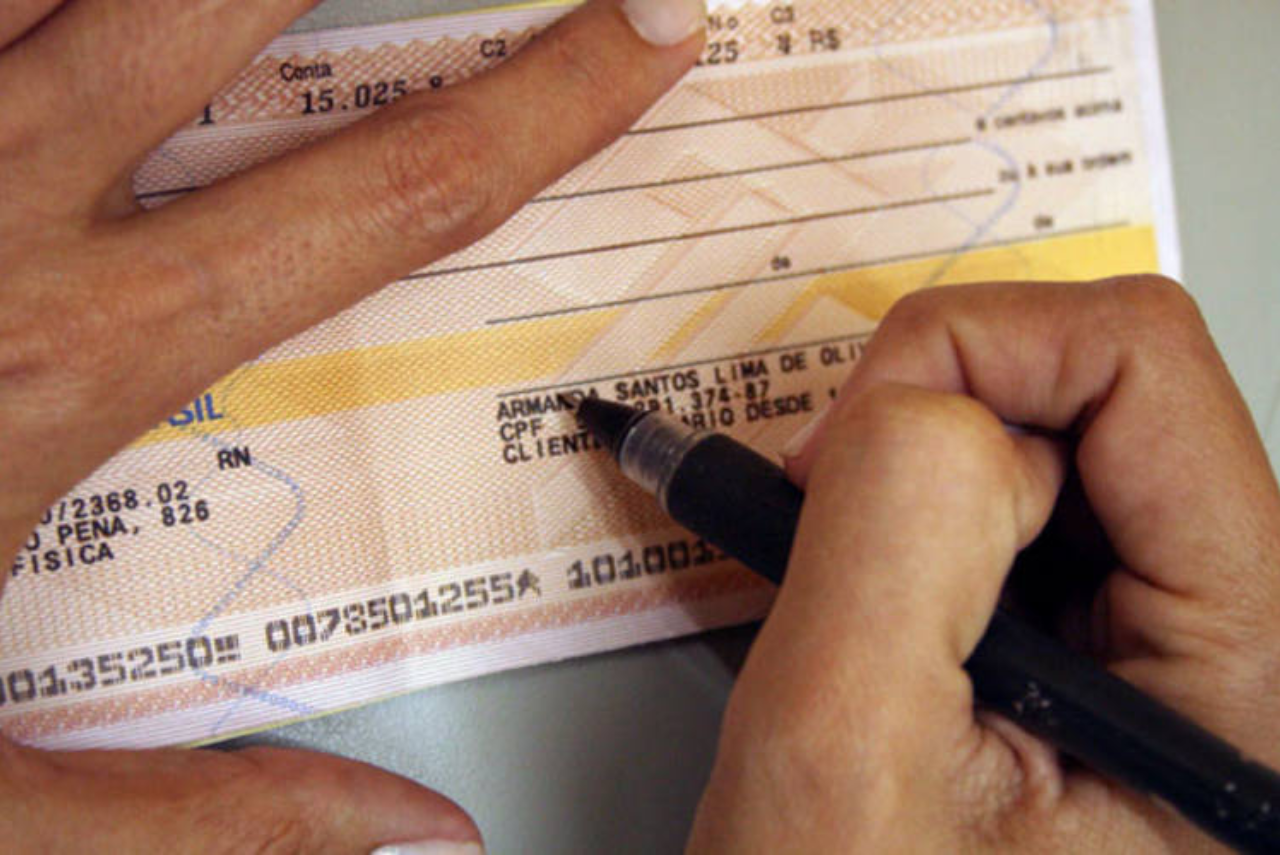
Although digital payments, debit cards, and mobile banking have become increasingly popular in the United States, checks are still widely used for many financial transactions. Businesses, landlords, government agencies, schools, and even individuals continue to accept and issue checks for various types of payments.
Knowing how to use checks properly can help you avoid costly mistakes, protect yourself from fraud, and maintain a healthy financial record.
In this guide, you’ll learn how checks work in the U.S., when they’re commonly used, and the best practices for writing and managing checks safely.
Are Checks Still Used in the United States?
Yes.
While electronic payment methods continue to grow, millions of checks are still processed every year across the United States.
Checks are commonly used for:
- Paying rent.
- Paying contractors or service providers.
- Government payments.
- Business transactions.
- Charitable donations.
- Certain legal or financial transactions.
- Sending money by mail.
Many employers and organizations also issue paper checks under specific circumstances.
What Is a Personal Check?
A personal check is a written order instructing your bank to pay a specific amount of money from your checking account to another person or business.
Each check contains important information, including:
- Your name and address.
- Your bank’s information.
- Your checking account number.
- The routing number.
- The check number.
- A space for the payment amount.
- A signature line.
- A memo section.
Every part of the check serves a purpose in helping banks process the payment accurately.
How to Write a Check Correctly
Writing a check properly helps prevent fraud and processing delays.
Step 1: Write the Date
Enter the current date in the upper-right corner.
Example:
July 18, 2026
or
07/18/2026
Using the correct date ensures accurate record keeping.
Step 2: Write the Recipient’s Name
On the “Pay to the Order of” line, write the full legal name of the individual or business receiving the payment.
Avoid nicknames or incomplete names whenever possible.
Step 3: Write the Amount in Numbers
In the box provided, write the payment amount clearly.
Example:
$250.75
Always write neatly to reduce the risk of alterations.
Step 4: Write the Amount in Words
Below the recipient line, write the amount using words.
Example:
Two hundred fifty dollars and 75/100
If there is remaining blank space, draw a line to prevent additional words from being added fraudulently.
Step 5: Complete the Memo Line
Although optional, the memo line is useful for identifying the purpose of the payment.
Examples include:
- Rent
- July Invoice
- Car Repair
- Tuition
- Utilities
This information can help both parties keep accurate financial records.
Step 6: Sign the Check
Sign the check exactly as your bank has your signature on file.
Unsigned checks generally cannot be processed.
Make Sure You Have Enough Money
One of the most important responsibilities when writing a check is ensuring your checking account contains sufficient funds.
Writing a check without enough money can result in:
- Overdraft fees.
- Returned check fees.
- Bank penalties.
- Damage to your banking relationship.
- Possible legal consequences if done intentionally.
Always verify your account balance before issuing a check.
Record Every Check You Write
Keeping track of your checks helps you avoid overdrafts and maintain an accurate account balance.
Record:
- Check number.
- Date.
- Recipient.
- Amount.
- Purpose of payment.
Many people now use online banking instead of traditional paper check registers, but tracking payments remains an excellent financial habit.
Never Leave Blank Spaces
Blank spaces create opportunities for fraud.
After writing the payment amount and recipient information, fill any unused space with a line.
This helps prevent someone from altering the check after it has been written.
Use Permanent Ink
Always write checks using blue or black permanent ink.
Avoid using pencils or erasable ink, as they may be altered more easily.
Protect Your Checks
Treat your checkbook as carefully as you would cash.
Keep it:
- In a secure location.
- Away from unauthorized individuals.
- Protected from theft.
- Separate from unnecessary personal documents.
If your checks are lost or stolen, notify your bank immediately.
Be Careful With Post-Dated Checks
A post-dated check contains a future date.
Although some people believe banks will always wait until that date, financial institutions are often permitted to process checks when they are presented, depending on applicable laws and bank policies.
If you need a payment delayed, discuss the arrangement directly with the recipient rather than relying solely on post-dating.
Understand Certified and Cashier’s Checks
Some large transactions require more secure forms of payment.
Examples include:
Cashier’s Check
Issued directly by the bank using its own funds after receiving your payment.
Commonly used for:
- Home purchases.
- Vehicle purchases.
- Large financial transactions.
Certified Check
Your bank confirms that sufficient funds are available in your account and reserves those funds until the check is processed.
These checks provide additional security for both parties.
Avoid Check Fraud
Check fraud remains a concern even in today’s digital banking environment.
Protect yourself by:
- Reviewing your bank statements regularly.
- Monitoring your checking account online.
- Never signing blank checks.
- Avoiding sharing unnecessary banking information.
- Using secure mailboxes when sending checks.
Promptly reporting suspicious activity can minimize financial losses.
Can You Deposit Checks Digitally?
Yes.
Most U.S. banks now offer Mobile Check Deposit, allowing customers to deposit checks using their smartphone.
Typically, you’ll need to:
- Endorse the back of the check.
- Write any required mobile deposit notation (if your bank requires it).
- Take photos of the front and back.
- Submit the images through your bank’s mobile app.
Funds may not become available immediately, depending on the bank’s policies.
Common Mistakes to Avoid
Many banking problems can be prevented by avoiding these common errors:
- Writing checks without sufficient funds.
- Forgetting to sign the check.
- Writing illegibly.
- Leaving blank spaces.
- Using incorrect recipient names.
- Failing to record issued checks.
- Ignoring bank account balances.
Developing careful habits helps prevent unnecessary fees and financial complications.
Are Checks Still Worth Using?
Despite the popularity of digital payments, checks remain useful in many situations.
They provide a written payment record, are accepted by many businesses and organizations, and continue to play an important role in certain legal and financial transactions.
Understanding how to use checks correctly allows you to handle these situations confidently and responsibly.
Conclusion
Checks continue to be an important financial tool in the United States. Whether you’re paying rent, making a business payment, or handling a major purchase, using checks properly helps protect your money and ensures transactions are completed smoothly.
By writing checks carefully, keeping accurate records, monitoring your checking account, and following good security practices, you can avoid common banking mistakes and manage your finances with greater confidence.
How to Use Checks Correctly in the United States: A Complete Guide to Safe and Responsible Check Writing
By Giovanni Bruno |